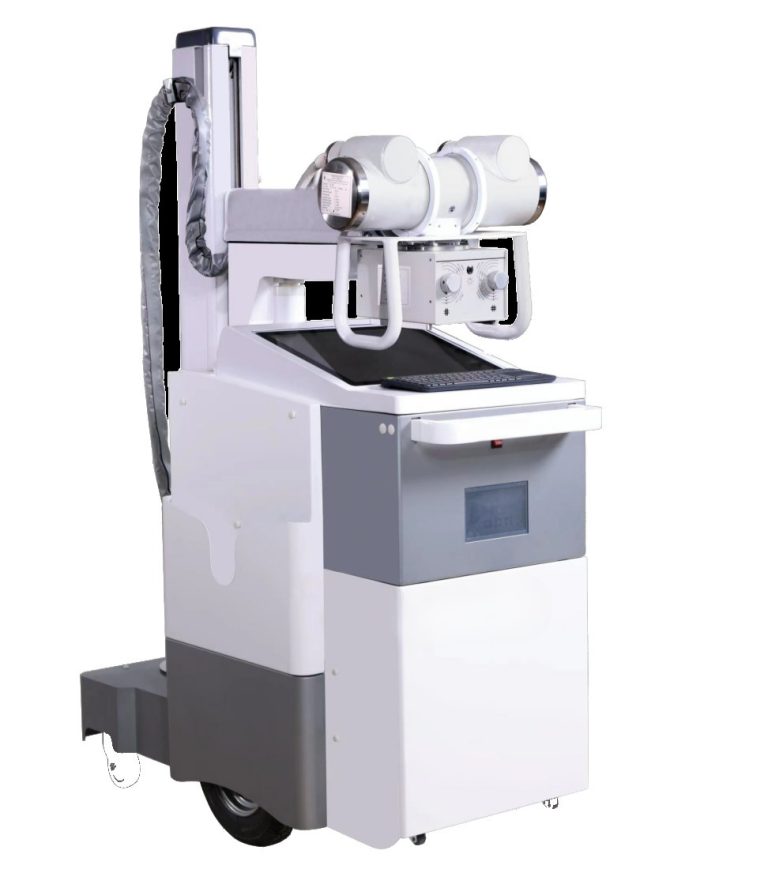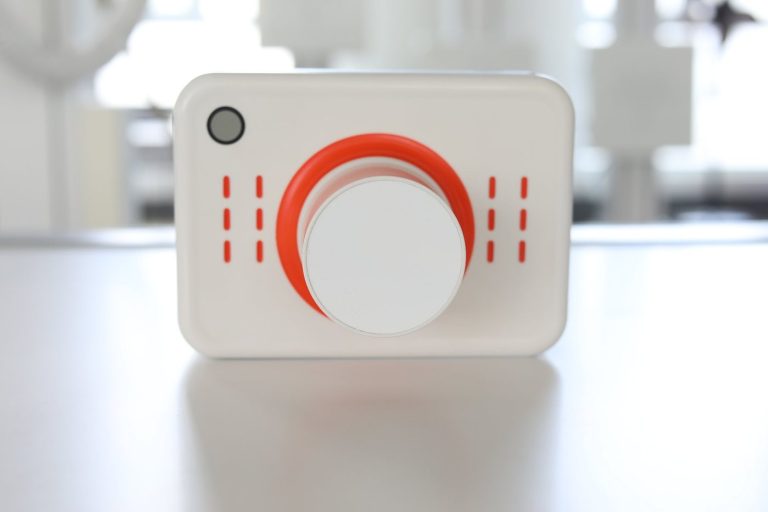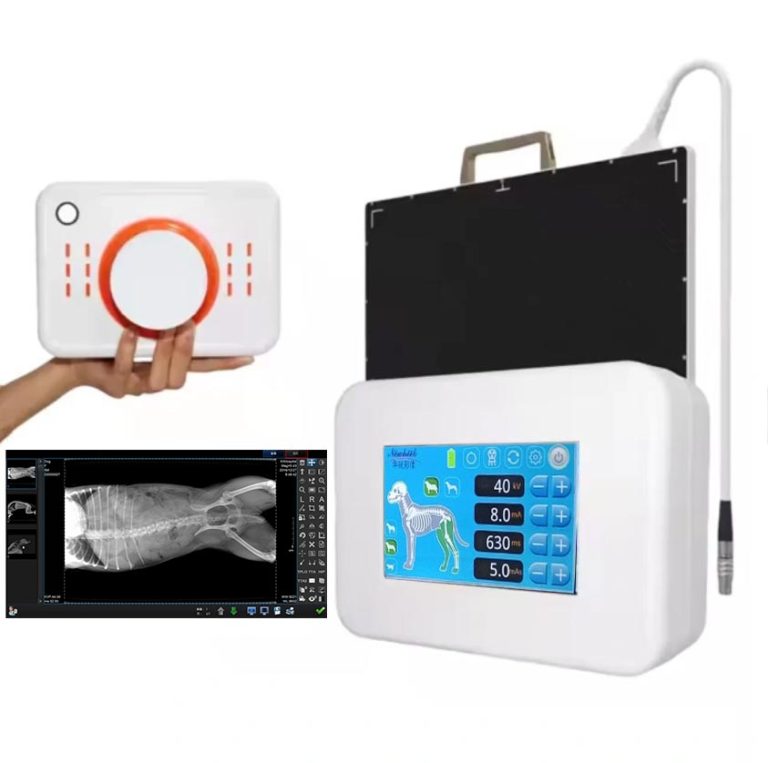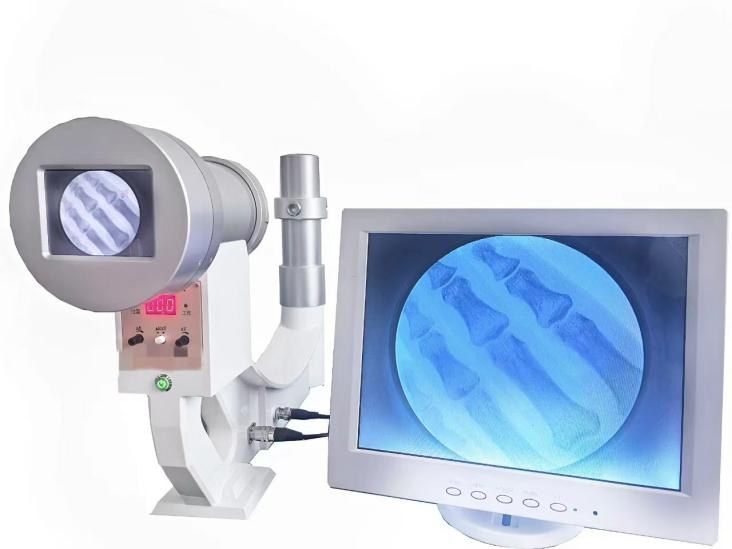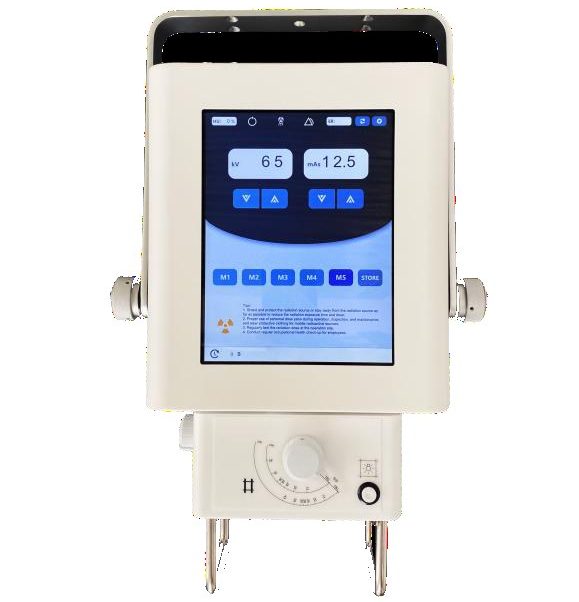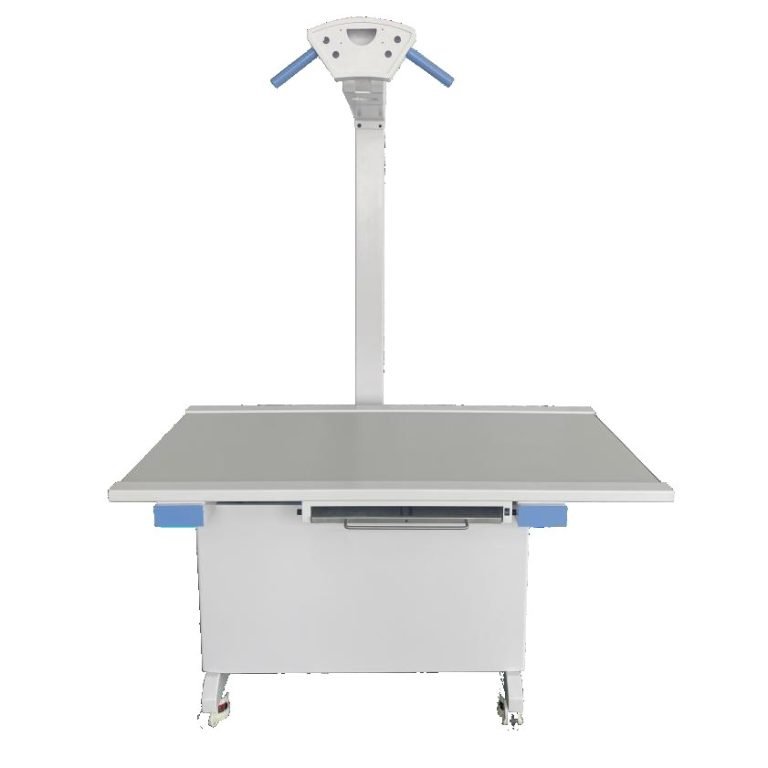
most sourcing failures with a portable fluoroscopy machine don’t happen because the buyer picked the wrong spec sheet. They happen because the buyer picked the wrong kind of company — a storefront posing as a factory, an assembler with no spare-parts depth, or an exporter who disappears the week the shipment lands. This checklist gives you eight questions that sort those apart before money moves, plus the red flags that should end a conversation early.
- Phone / WhatsApp: +86 19062611512
- Email: admin@newheek.cn
If you are reading this, your search probably looked like one of these: a portable fluoroscopy machine factory, a manufacturer in China, a supplier who can do wholesale volumes, or just “China portable fluoroscopy machine” with a hope and a filter. Those searches all land in the same place — pages of supplier listings that look nearly identical, each claiming a factory, each claiming quality, each showing the same three renders of the same-looking machine.
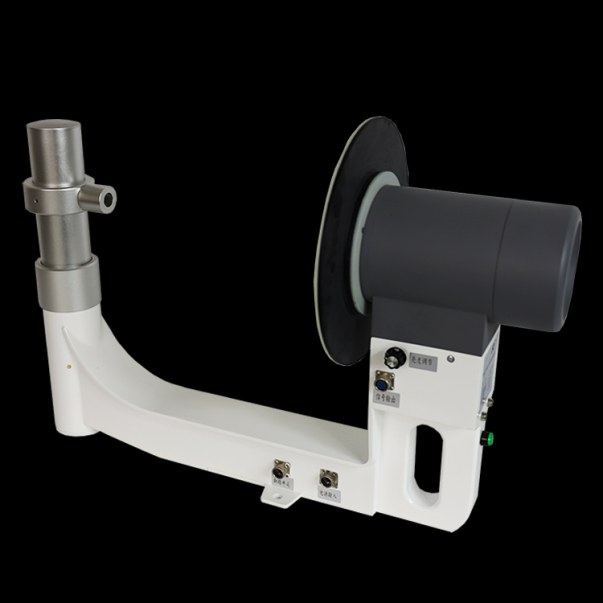
So the listing page is useless as a filter. What isn’t useless is a short list of questions that a real factory answers easily and a middleman answers badly. Here is that list, written from the factory side — including a few things we would want you to ask us, and one thing we will flat-out tell you we cannot do.
Why every supplier website sounds the same
Almost every Chinese supplier page for this product category contains the same three sentences: advanced technology, strict quality control, competitive price. None of it is false, exactly. None of it is checkable, either.
The reason is structural. The barrier to putting up a website is one afternoon. The barrier to winding your own high-voltage cable assemblies, calibrating a tube-head line, and stocking spare circuit boards for machines shipped five years ago is a factory. A buyer who cannot tell the difference at the browsing stage ends up telling the difference at the warranty stage, which is the most expensive possible moment to learn it.
It doesn’t help that the product names themselves are unstable. We wrote a separate explainer on the three different devices sold under one “handheld X-ray machine” name, because suppliers routinely blur fluoroscopy, radiography, and dental units into one listing. A supplier who cannot keep its own category pages honest will not keep your purchase order honest either.
The checklist below exists to move that discovery earlier. Every question on it is answerable in a single email exchange or one video call. If a supplier stalls on more than two of them, you have your answer anyway.
The checklist: eight questions that separate a factory from a storefront
1. Factory or trading company — and does it matter to you?
Sometimes it genuinely doesn’t: a good trading company with strong quality control can be a fine partner. But you deserve to know which one you are talking to, because it changes how warranty claims, customization, and pricing all behave.
Three practical tests, none of which require a factory visit:
- The unscripted video call. Ask for a live walkthrough, not a recorded tour. A real factory can walk you from the packing bench to the assembly area on short notice and talk about what you are seeing. The camera work will be ugly. That is a good sign.
- The packing-area request. Ask to see where orders get packed and labeled. Assemblers and traders usually cannot show this quickly, because it is not their room.
- The component question. Ask which parts they buy in and which they make. A real manufacturer answers with specifics and some pride. A reseller answers with a deflection, because they have never held the part.
2. What do they actually build in-house?
This is the question that predicts your after-sales experience better than any certificate. A portable fluoroscopy unit is a tube head, a high-voltage generation path, a detector chain, and a display — and the failure-prone parts are exactly the ones a mere assembler cannot service.
We will answer it for ourselves, since we are asking you to hold everyone to this standard: we manufacture our own high-voltage cable assemblies and X-ray collimators in-house, alongside the four product lines on our main equipment hub — handheld dental units, medical portable machines, portable fluoroscopy systems, and veterinary imaging equipment. That depth is why a cable or collimator question gets answered by the person who built the tooling, not by an email forwarded upstream.
Ask every supplier on your list the same question and compare the specificity of the answers. Vagueness here is not shyness; it is structure.
3. Can they support the paperwork your market requires?
Every importer eventually meets this truth: the machine that clears your customs and the machine your local regulator accepts are two related but separate requirements, and the documents for each come from the manufacturer, not from anyone else.
The check is simple. Ask what document package accompanies a shipment — test reports, safety files, registration support for your specific market — and how quickly they produce it. One caution from our side: be suspicious of any supplier who leads with sweeping certification claims in a brochure. Documents are verifiable; adjectives are not. A serious manufacturer sends the actual files and lets you check scope and validity yourself. We do not make certification claims in our marketing pages for exactly this reason — ask us, and we will send the package that applies to your market, so you can verify it with your own authority rather than take our word for it.
4. What does “after-sales” actually mean to them?
“One-year warranty” is not an after-sales policy; it is a sentence. The substance is in the operational details, so ask for them as specifics:
- Who diagnoses a fault — and can diagnosis happen remotely, with the machine reporting its own status?
- Which spare parts are stocked, for how many years after your purchase, and where are they stocked?
- What ships first when something fails: the part, or the invoice?
- For a mounted or room-based configuration, who guides the installation — and is there a live person on a call during your first power-on?
A useful forcing function: ask the supplier to describe their worst after-sales case of the past year and how it was resolved. A factory with real field experience has an answer with specific parts and timelines in it. A storefront changes the subject.
5. What is in the box — and what arrives after it?
Open a shipment from a serious manufacturer and you will find the unit seated in cut foam, cables bagged and labeled, a charger, and documentation — packed by people who have shipped hundreds of these and know what customs handling does to a carton.
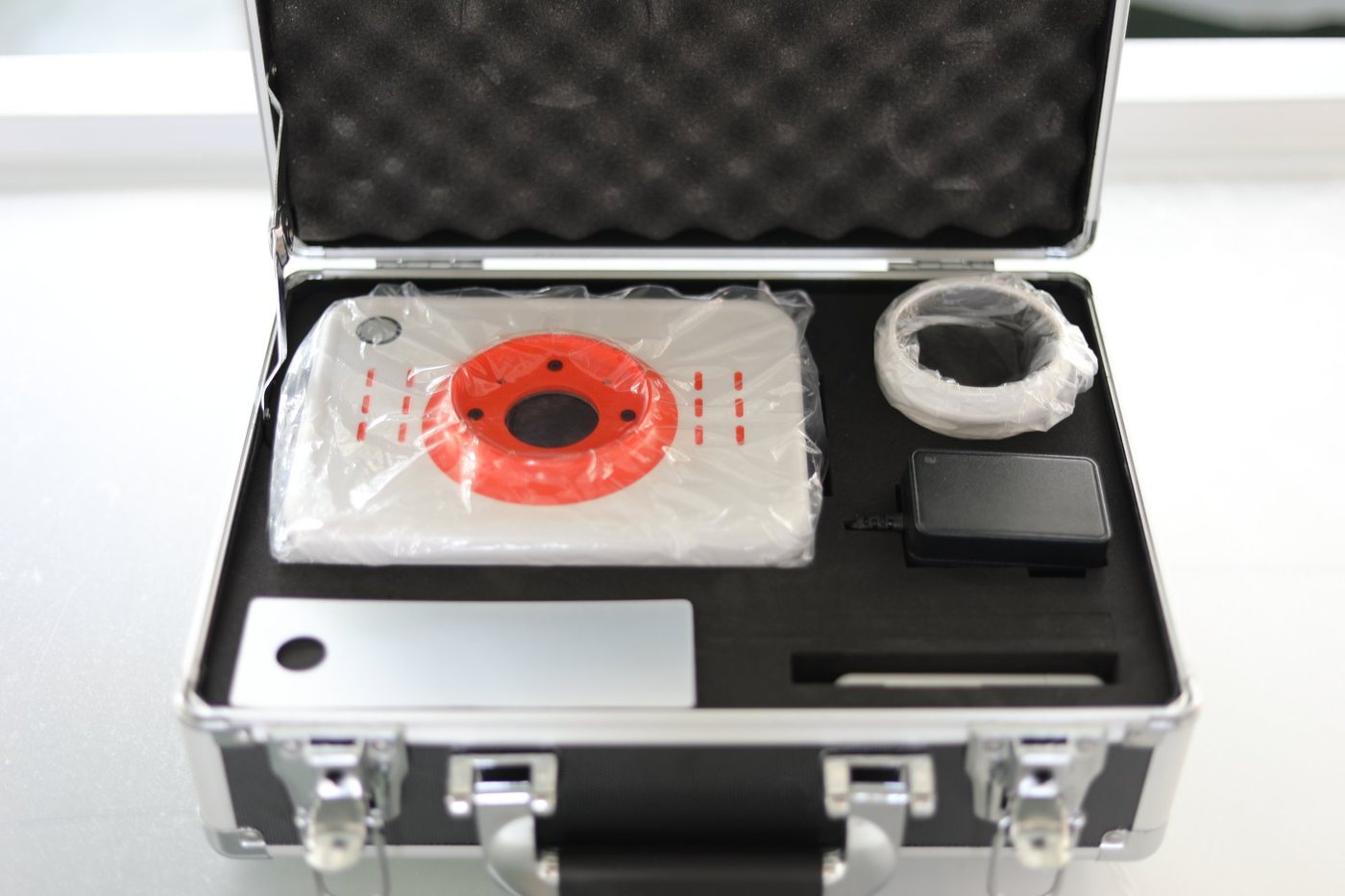
Beyond the first box, ask about the second and the tenth: consumables, replacement cables, foot switches, and how they are ordered when you need them two years from now. The answer should reference part-level availability, not a promise that “everything is high quality.”
6. Can they build it as your brand — and how do they behave when you ask?
OEM capability is one of the most common reasons buyers come to a Chinese factory in the first place, and it is also where the gap between real and pretended capability is widest. The machine is the easy part. The brand program is the process.
A real OEM partner can typically cover: your logo on the unit and the packaging, documentation in your market’s language, interface languages localized for your operators, mains variants matched to your electrical standard, and carton design that survives your distribution channel. But the better test is behavioral: a genuine manufacturer asks you questions back — which market, which service model, which configuration mix, what your installers need. A middleman says yes to everything, immediately, and then discovers your requirements during production.
We do this work across all four of our product lines, and we will happily tell you the two or three questions we would ask you first — because those questions are how you can tell we have done it before.
7. One machine or a family — and why it matters to your procurement math
If your business needs more than one imaging product over its lifetime, a factory with a family of related lines changes your procurement arithmetic: one qualification audit, one freight relationship, one spare-parts vocabulary, one quality standard applied across everything you buy.
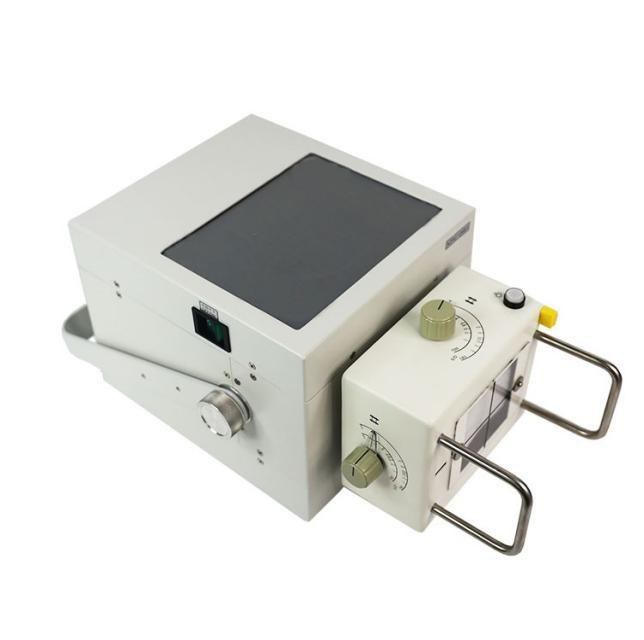
This site exists for exactly that reason. Our portable fluoroscopy systems come in several display configurations — an integrated large screen, external monitor, compact LCD, and output-to-screen variants — so the buying decision can follow your clinical workflow instead of forcing your workflow to follow the machine. Ask any supplier on your shortlist what else sits on the same production floor.
8. The demo: what to ask them to film
Video calls flatten geography, so use them aggressively. Before any deposit, ask the supplier to film, in one continuous take:
- The unit switched on from cold, showing startup behavior;
- A live fluoroscopic image of an object you choose and send them — a mechanical watch, a small tool, anything with internal structure you already know;
- The image moving in real time, since fluoroscopy without real-time motion is just still photography with worse marketing;
- The label and rating plate on both the unit and the carton, so what you saw is traceable to what ships.
The last one matters more than it sounds. Requests like these are routine for a factory and annoying for a middleman, which makes them a sorting mechanism as much as a verification step.
Red flags that should end the conversation
| Red flag | What it usually means |
|---|---|
| Only studio renders, zero real photos | No factory floor to photograph |
| Quotes faster than the questions can be sent | Price sheet copied from someone else’s |
| “Yes” to every customization without follow-up questions | Nobody technical received your requirement |
| Certification claims made in adjectives instead of documents | Nothing to show if your customs officer asks |
| No named engineer — only a sales chat window | Service will be a translation relay |
| Unwilling to film a live startup or unboxing | The unit on the website may not be the unit in the box |
| Warranty described only in durations, never in process | The process is the part that costs you money |
| Refuses to say which components are bought in | They don’t know — which means they can’t service them |
| Prices far below the category’s credible floor | Spec-sheet optimism, or a different machine than pictured |
No single row here is fatal on its own. Two or three together, and the professional move is to thank them for their time and move to the next name on the list.
What we can put behind this checklist — and what we won’t claim
You are entitled to know who wrote this and what they sell. We are the manufacturer behind this site: four product lines — handheld dental, medical portable, portable fluoroscopy, and veterinary imaging — built on our own production floor, with in-house high-voltage cable and collimator manufacturing. We do OEM programs across all four lines, we pack export kits the way the photo above shows, and we answer component questions with specifics.
Two honest limits. First, we do not make everything: if your project needs a full-size surgical C-arm, that is not our category, and we will tell you so rather than improvise. Second, we will not summarize our compliance status in a marketing paragraph — not because we have something to hide, but because document summaries are exactly the habit this checklist exists to break. Ask us for the file package for your market, verify it the way you would verify any other supplier’s, and put us through the same eight questions you just read. We will pass them, and you will know how we handle every question after that from how we handle these.
Frequently asked questions
Is buying direct from a Chinese factory actually safe for medical equipment?
It is as safe as your vetting is thorough. The equipment class is well established in China’s export economy; what varies supplier to supplier is manufacturing depth and service discipline — which is precisely what the eight questions above are designed to expose before your money moves, not after.
What is the minimum order for wholesale or OEM terms?
It depends on the configuration and the branding depth — a logo change and a full private-label program are different conversations. Bring your annual volume estimate and your market, and the conversation starts from real numbers on both sides. Use the contact page below to start it.
Can I get the machine with my logo, my language, and my mains standard?
Yes — label, manual, interface language, packaging, and mains variants are all part of our standard OEM scope across the product lines. Expect a real OEM partner to ask about your service model and installation plan before promising any of it; if a supplier skips those questions, that tells you something.
How do I verify a supplier’s factory without flying to China?
Three remote methods cover most of it: an unscripted live video walkthrough of the production and packing areas, an unboxing video of a real customer order, and component-level questions answered by named engineers. If a supplier passes all three, a visit later becomes a confirmation rather than an investigation.
Do you sell to distributors as well as end users?
Both, and the two relationships look different on purpose. Distributors get territory discussions, OEM terms, and spare-parts planning; end users get configuration guidance and direct installation support. Tell us which you are on first contact so the right person answers.
Talk to the factory side of this checklist
If this checklist described the conversation you were trying to have, skip the listing platforms and start it directly. Send us your market, your intended use, and the questions from this article — especially the ones you think might trip us up. We answer with specifics, and if your project needs something we do not build, we will say that first.
- Phone / WhatsApp: +86 19062611512
- Email: admin@newheek.cn
- Contact page: handheld-xray.com/contacts-us