Quick answer: there is no honest single price for a “handheld X-ray machine,” because the name covers at least three different device classes with different innards — and within each class, six factors move the final number more than any discount ever will. This article walks through those six cost drivers so that when quotes arrive, you can read them the way a buyer reads them: line by line, configuration by configuration — not by comparing two numbers that were never measuring the same thing.
Contact: Email admin@newheek.cn · Phone/WhatsApp: +86 19062611512
We deliberately will not quote figures here. Prices change with configuration, destination, service terms, and season, and a stale number on a blog page is worse than no number. What we can do is show you exactly where the money goes, which is the knowledge that actually protects your budget.
Cost driver 1: which of the three device classes you are actually buying
The most expensive mistake in this market is comparing prices across device classes. A handheld dental unit, a portable fluoroscopy machine, and a portable radiographic system all get called “handheld X-ray machines” in search results and trade messages — and they are priced like the different products they are. We mapped the confusion in our article on three different devices sold under one name, and the pricing implication is simple: a quote that looks “expensive” for a dental unit may be a fair mid-range quote for a portable radiographic system.
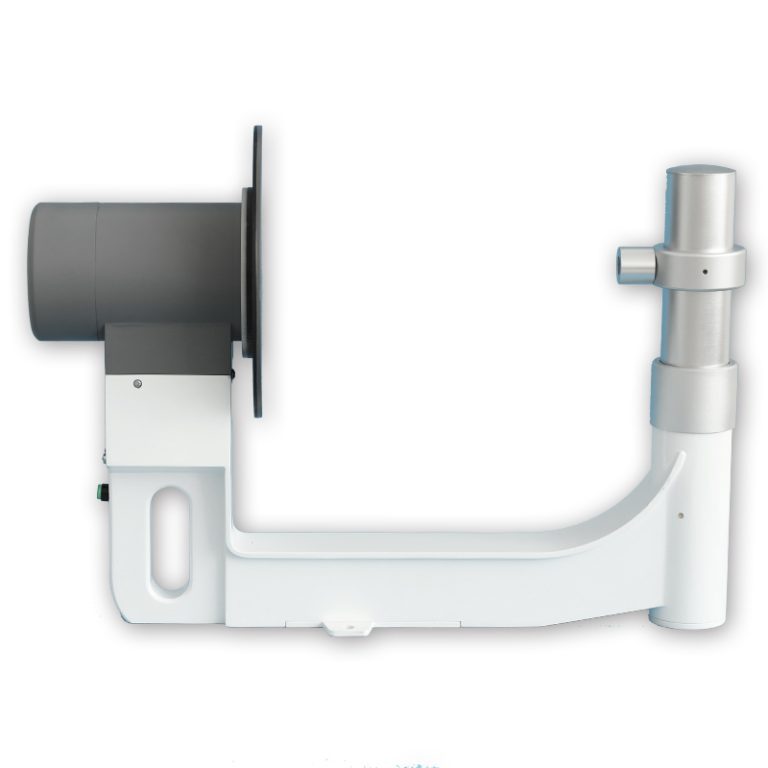
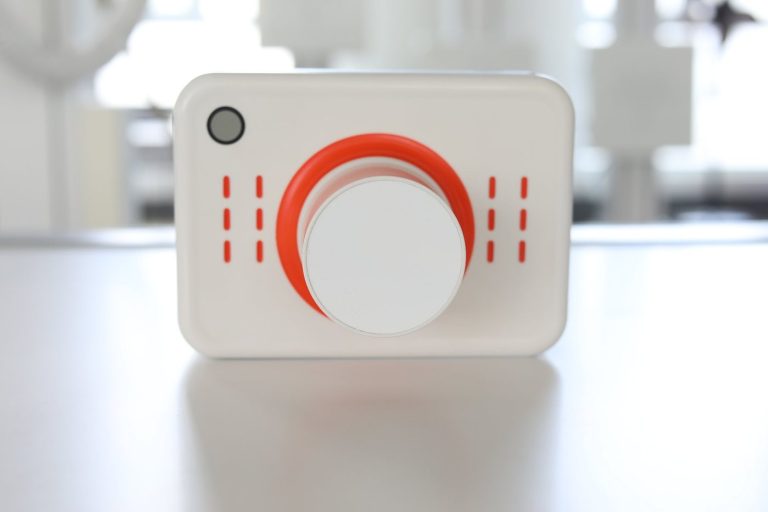
- Handheld dental units are the most compact class — a tube, a battery, and a aiming geometry built around the oral cavity. Their quotes are driven by the tube, the battery, and the dose-control electronics.
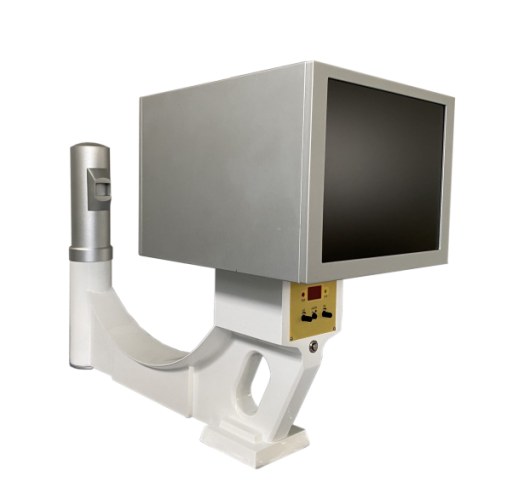
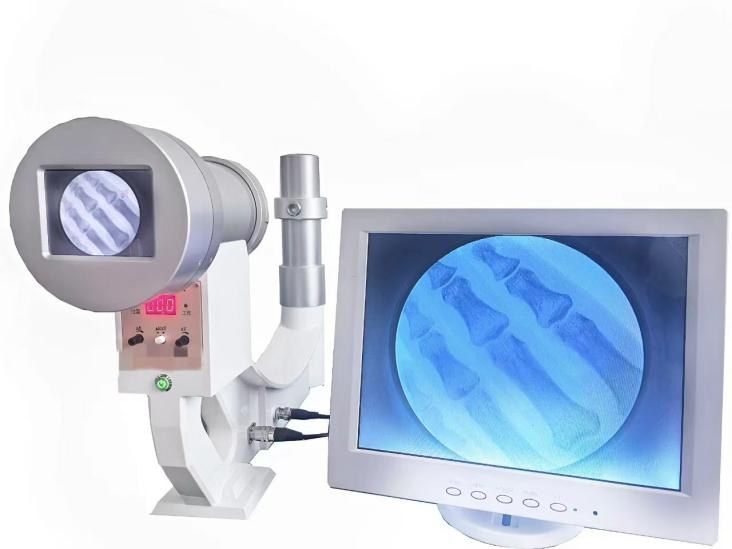
- Portable fluoroscopy machines add real-time imaging, which means a detector chain and a display path — more components, more calibration, more cost.
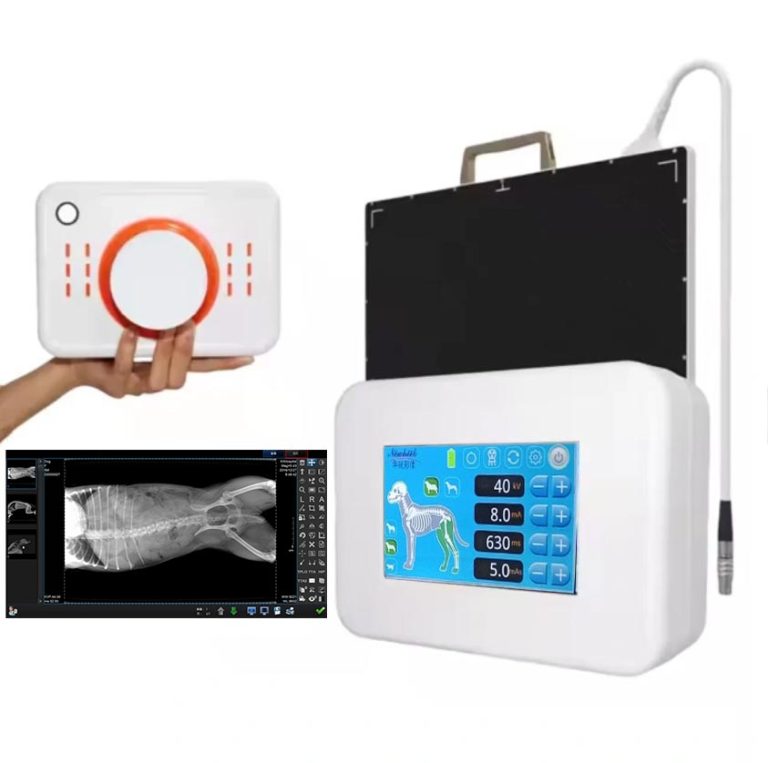
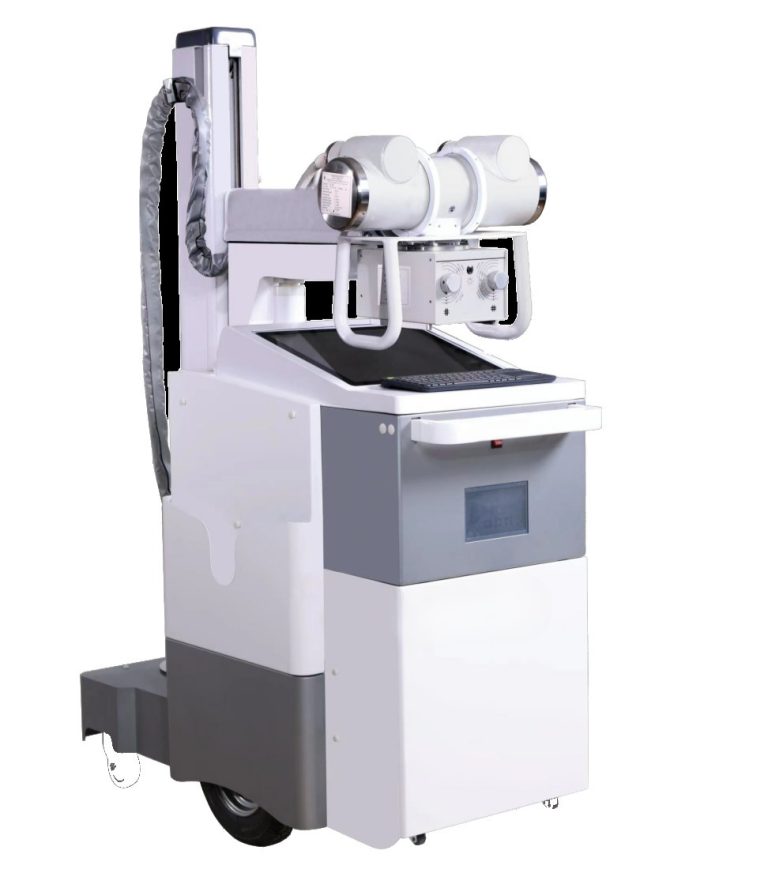
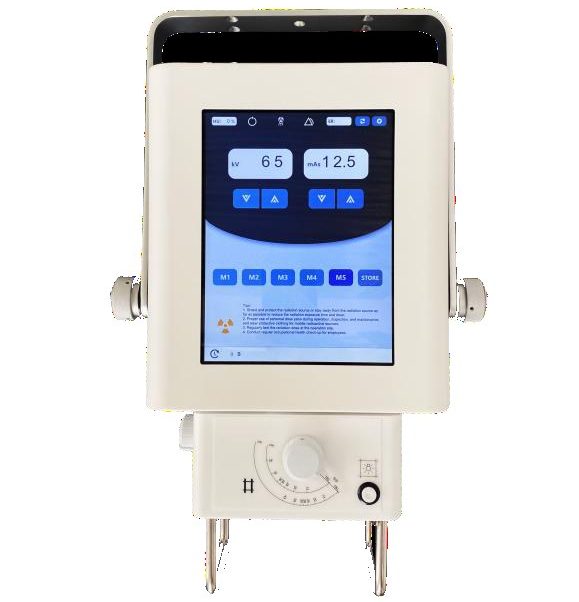
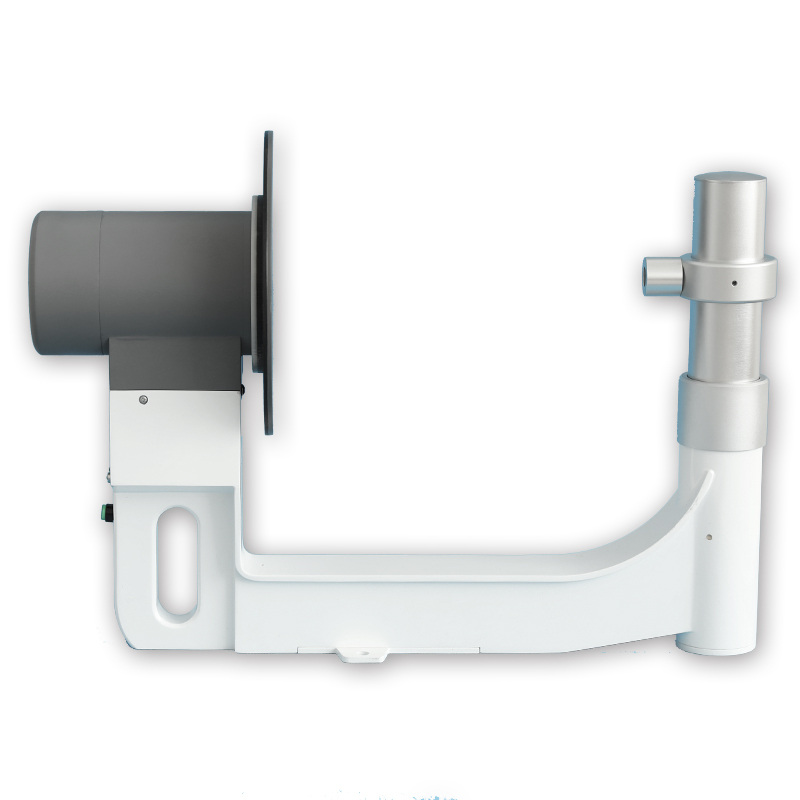
- Portable radiographic units (the ones you carry but do not hold during exposure) are complete photographic systems that pair with a detector, and their quotes ride on the detector and generator as much as on the traveling unit itself.
Before comparing any two quotes, confirm they are quoting the same class. If this distinction is new to you, read the classification article first — it will save you from the most common budgeting error in this market.
Cost driver 2: the tube and generator
The X-ray tube assembly is the heart of the machine and one of the least visible line items. What moves its cost:
- Duty cycle. A unit designed for occasional spot exposures is built differently from one expected to run a busy list all day. Thermal management is not glamorous, but it is a real cost — and a real reliability difference.
- Filtration and beam control. The collimation and filtration hardware between the tube and the patient affects both safety compliance and image quality, and it is priced into the better units.
- Where the generator electronics sit. Integrated, well-regulated generator electronics cost more to build than bare-bones ones — and they show up in exposure consistency over the machine’s life.
When you evaluate a quote, ask what tube and generator assembly the configuration includes and what duty cycle it is rated for. A supplier who can answer that precisely is a supplier whose quote you can trust on other lines too.
Cost driver 3: the detector or sensor
For anything beyond the simplest dental work, the detector is where quotes genuinely diverge. In dental handhelds, the pairing question is which intraoral sensor the unit will work with — our article on handheld dental machines and their sensors covers why the sensor, not the unit, is often the variable that decides image quality. Sensor technology choices (CMOS versus older sensor designs, wired versus wireless) carry real price differences, and the digital intraoral sensor you pair with the unit may be quoted separately or bundled — confirm which.
For portable radiographic and fluoroscopy systems, the flat panel detector is the single most configuration-sensitive component. Size, wireless versus wired, and software integration all move the number. If your quote bundles “a detector,” ask which one, with what software, and what happens when it needs service.
Cost driver 4: the battery and charging system
Battery-powered operation is the entire point of a handheld-class machine, and battery systems are priced differently across the market. The questions that separate a serious battery design from a cheap one:
- Is the battery a standard, replaceable pack or a sealed, soldered-in component? Replaceability is a long-term cost issue, not a convenience issue.
- What does a spare battery cost, and is it available as a separate part? For any clinic running a full day of exams, the spare-battery line deserves its own budget row.
- How is charging handled — a simple dock, a dedicated supply, or an ordinary cable? Field work punishes proprietary charging.
None of these questions changes the headline price much; all of them change the total cost of owning the machine, which is the number that actually matters.
Cost driver 5: compliance paperwork and testing
This driver is invisible on the quote and decisive at your border, your insurer, and your regulator. Machines differ in how much documentation accompanies them: test records, Declarations of Conformity to applicable standards, and the registration paperwork your local authority will want to see. Building and documenting this properly costs the manufacturer money — and that cost is legitimately part of the price of a machine you can actually register and operate.
The practical advice: ask what documentation package ships with the unit, in English, before you compare prices. A quote that looks lower partly because the paperwork is thin is not a discount; it is a deferred problem. We keep certification claims deliberately general here — requirements differ by country — but the checklist question does not: show me the exact documents this unit ships with.
Cost driver 6: after-sales — warranty, spares, and the shipping lane
The last driver is everything that happens after the box leaves the factory, and it is where quotes from different suppliers diverge the most in real-world value:
- Warranty terms — what is covered, for how long, and what voids it. Read the exclusions, not the headline duration.
- Spare parts availability — batteries, cables, tubes, and detector repairs. Ask what is stocked and what is built to order.
- Shipping and import handling — a complete portable system in a protective case is a different freight proposition from a bare unit, and your incoterms decide who pays for surprises.
- Training and setup support — for a team that has never run a handheld-class unit, this line is worth paying for once and suffering without never.
The hidden costs buyers miss
Beyond the six drivers, three budget lines routinely surprise first-time buyers:
- Accessories that are not optional in practice. Protective cases, spare batteries, extension cables, mounting hardware for the vehicle or clinic — small lines that add up.
- The detector you forgot to quote. A portable radiographic unit without its detector is a tube in a box. Confirm the quote covers the complete imaging chain you will actually use on day one.
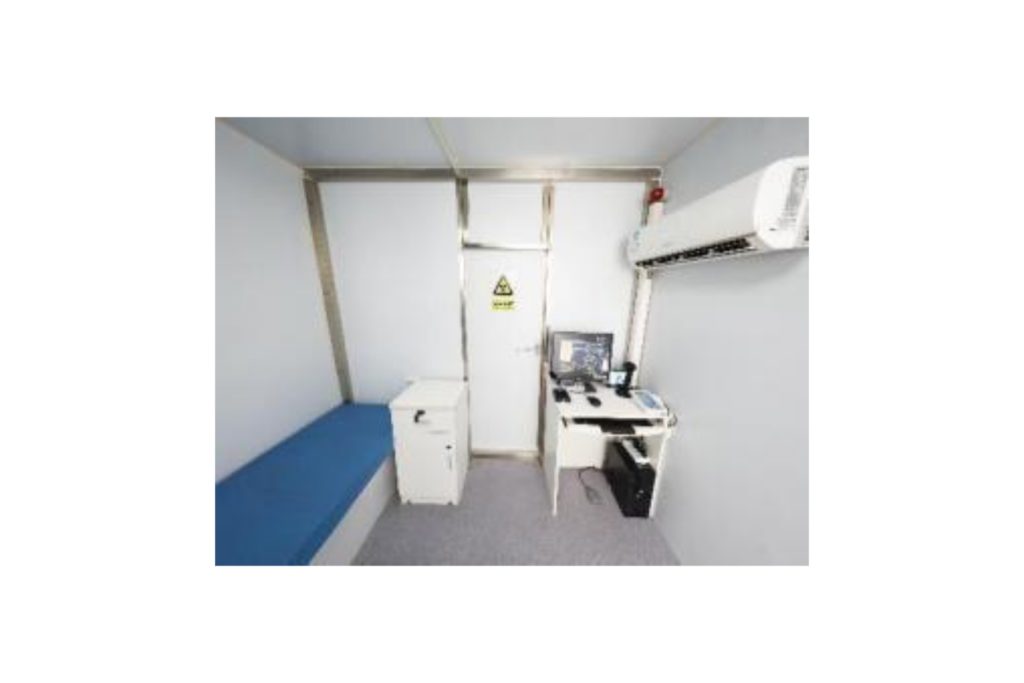
- Room or vehicle preparation. Some deployments are complete environments — a mobile clinic build-out is a different budget universe from a handheld unit in a case, and conflating them wrecks procurement schedules. If your project is room-scale, say so explicitly when requesting quotes.
How to compare two quotes apples-to-apples
When quotes land, force them into the same shape before comparing the bottom lines:
- Same device class, confirmed in writing.
- Same complete imaging chain — unit, detector or sensor, battery, charger, case.
- Same documentation package listed by name.
- Same warranty scope and exclusions.
- Same delivery terms, and same spare-parts commitments.
Only after those five rows match is the final number a fair comparison. Most “expensive” quotes are simply more complete quotes.
FAQ
Why will no supplier give me one price for a handheld X-ray machine?
Because the name covers different device classes and the final configuration — detector, battery, documentation, service terms — changes the number for every buyer. A serious supplier quotes your configuration, not a brochure figure. Our guide to the three devices behind one name explains the classes.
Is a more expensive handheld unit always better value?
Not automatically — but the six drivers above explain what the extra money usually buys: a tube rated for your duty cycle, a better detector, a replaceable battery system, real documentation, and service behind it. Judge the configuration, not the ranking.
What should I budget for besides the machine itself?
Plan for the complete imaging chain (detector or sensor included), spare batteries, protective transport, accessories, and — for room-scale projects — the environment itself. The hidden-costs section above is a good checklist for a first procurement.
Does the documentation package really affect the price?
Yes, legitimately. Test records and conformity paperwork cost real effort to produce, and they are what lets you register and legally operate the machine. A thin-paperwork quote is cheaper for a reason, and that reason finds you at customs or registration.
How do I get an accurate quote for my situation?
Tell the supplier three things: which device class fits your use, your expected daily workload, and your destination country. With those answers, a responsible supplier returns a configuration-specific quote — which is the only kind worth comparing. You can start through our product lines for handheld dental units, portable fluoroscopy, medical portable systems, and veterinary portable systems.
The bottom line
A handheld X-ray machine’s price is not a number — it is a configuration. Understand the six drivers, force quotes into the same shape, and budget for the chain, not the box. If you want a quote built around your actual workload and destination, contact us and we will price the configuration you describe, line by line.
Contact: Email admin@newheek.cn · Phone/WhatsApp: +86 19062611512